Newsletter or Feed: Two Ways to Keep Up with a Beat
Newsletter or feed? Compare how each selects and delivers reporting, so you can choose the format that best fits the sources and context your beat needs.

The common mistake with a newsletter or feed is judging it by how much arrives; the cost is missing what each format is built to do. For following a beat, a newsletter or feed differs most in who selects the material, how it reaches you and what kinds of reporting it can surface.
Different delivery systems
A newsletter is an email assembled by a publisher and sent to subscribers, often on a regular schedule. Its editor decides which stories lead, how links are grouped and what context accompanies them.
A social feed is a stream of posts from accounts and other sources. Depending on the platform and its settings, the stream may include followed accounts, recommendations, reposts and content arranged by ranking rather than time.
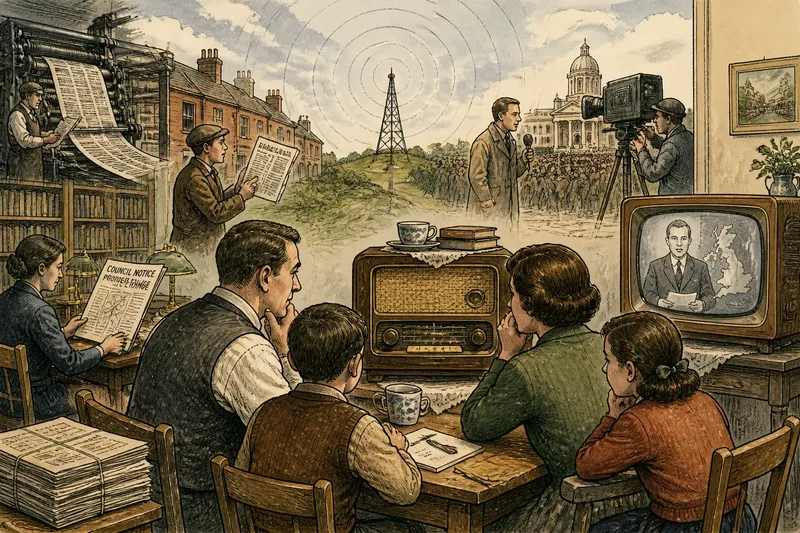
The formats resemble a letter and a public noticeboard: one arrives as a selected package, while the other gathers messages from many contributors and keeps changing. Neither format makes a claim accurate simply by delivering it.
Editorial selection
With a newsletter, the publication’s remit shapes what gets included. A local bulletin might explain a council decision but leave national policy to other outlets. A specialist newsletter may translate technical documents while giving less space to political reactions.
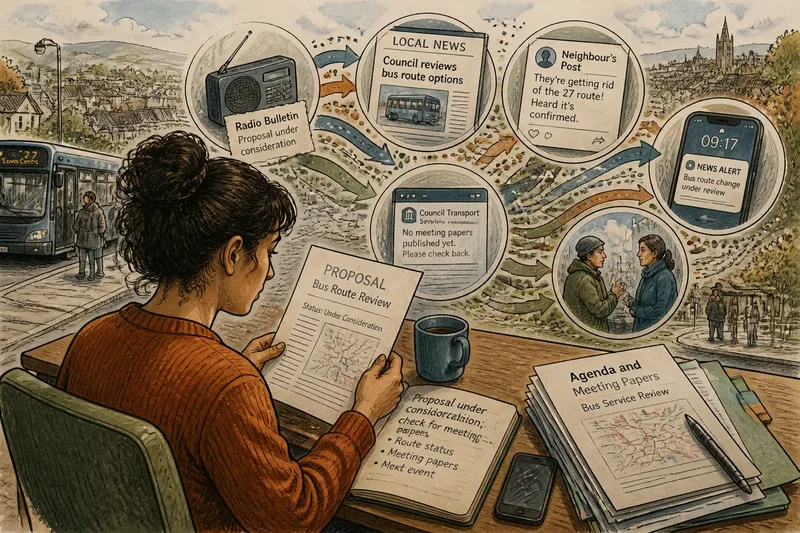
A feed can bring together an official announcement, a reporter’s explanation and a resident’s image. That variety can reveal different parts of a story, but it also places the work of comparing sources on the reader. A post’s prominence is not evidence that it is complete or authoritative.
For formal changes, such as a school closure or a service disruption, the responsible organisation is a useful direct source. For interpretation, look for reporters or specialists who link to documents and explain how a decision was reached. The two source types answer different questions.
Choosing for a beat
A newsletter suits a reader who wants a packaged account of developments, particularly when a topic benefits from explanation across several stories. Its fixed publication rhythm can also mean that a developing event will not appear until a later edition.
A feed suits a beat where notices and reactions emerge through several accounts. It can provide quick access to new material, though recommendations and repeated commentary may sit beside the update you came to find. Platform controls such as lists, muted terms or chronological views vary, so check what is available rather than assuming every feed works alike.
For a beat that needs both context and prompt notices, give each format a separate role. A newsletter can assemble the broader account; a short list of official and independent sources can surface developments that should not wait for the next edition.
Questions readers ask?
Is a newsletter more reliable than a feed?
Reliability depends on the publisher and the sources, not the delivery format. Check whether claims link to original documents or named sources, and compare important details with other credible reporting.
Can a newsletter cover breaking news?
Some publishers send extra editions, but a scheduled email may arrive after an event has developed. For urgent public notices, use the relevant organisation’s official alert channel.
Can a social feed be customised?
Many platforms offer controls such as selected lists, notification settings or display options, though the names and effects differ. Check whether recommendations still appear alongside posts from accounts you chose.
Should you use both formats?
Both can be useful when they do different jobs, such as a newsletter for explanation and a small group of feed sources for notices. If they repeatedly deliver the same links without adding context, one may be enough for that beat.
A source review
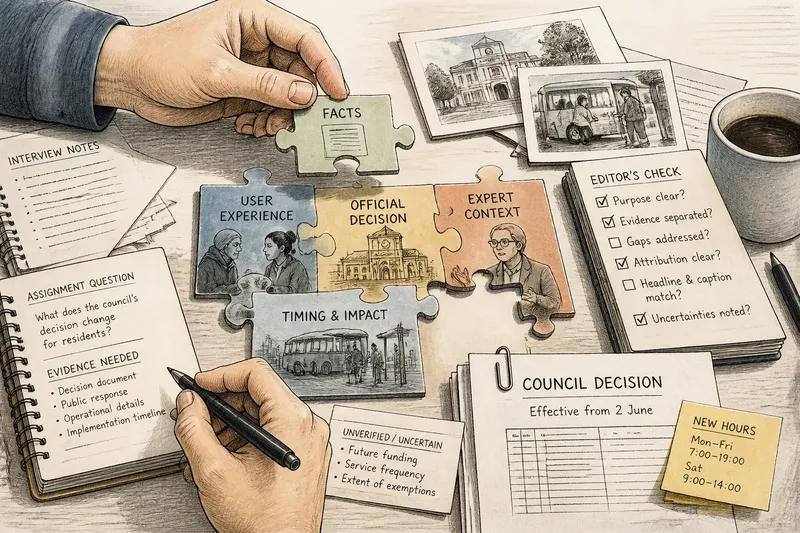
Before subscribing or following, inspect a sample edition or recent posts. Use these checks to decide whether a source belongs in your routine:
- Check whether the publication states its subject and geographic remit; if it covers the beat you need, consider subscribing, but if it leaves a major part out, add a source that covers that gap.
- Check whether a story links to an original document or identifies its source; if it does, use the link to inspect the basis of the claim, but if it does not, seek corroboration before relying on it.
- Check whether the reporting distinguishes confirmed details from commentary; if it does, use that distinction when judging what is known, but if it blurs them, compare with a source that separates fact from interpretation.
- Check whether the publisher explains decisions or only relays reactions; if explanation is present, use it for context, but if not, add reporting that examines the documents or process.
- Check whether a feed includes direct notices from the responsible organisation; if it does, keep that account for formal updates, but if not, follow the organisation’s official channel separately.
- Check whether posts from different sources add distinct information or repeat the same link; if they add different evidence or context, keep the useful mix, but if they mainly duplicate one another, remove redundant sources.
A worked choice
Say you follow changes to a town’s bus routes. You have a transport newsletter that explains weekly decisions, the council’s account and the local transit operator’s account. First, you inspect a recent newsletter and see that it links to council documents but does not carry urgent service notices. Next, you check the two accounts and confirm that the operator posts disruption notices while the council shares route consultations. The resulting choice is to keep the newsletter for decision context, the operator for service changes and the council for proposals; if the newsletter stops linking to documents, you would seek another source for that context rather than expecting the feed to supply it.
When comparing a newsletter or feed, judge the source’s remit, evidence and contribution to the beat—not simply the shape of its delivery. That distinction helps you choose sources that add different kinds of information instead of collecting several versions of the same update.